In a world where social media platforms dominate screens and influence trends globally, the future of TikTok in the United States has been a hot topic. Rattled by privacy concerns and the app’s origin, President Trump has taken a notable step to reshape its trajectory. With a freshly inked executive order, the goal is to swing the balance of control towards American investors, creating a new dynamic in the saga of TikTok’s survival in the U.S.
President Trump’s strategic move highlights a growing concern about digital sovereignty and data security. It isn’t just about an app filled with viral dances and snippets of entertainment; it’s about the massive volumes of data these platforms manage. The order directs an imperative shift where American stakeholders are set to gain influence over the app’s operations within the U.S., especially its powerful algorithm. This can potentially rewire who pulls the strings behind what is arguably one of the most influential entertainment platforms today.
However, these actions open a Pandora’s box of questions around international business and digital economies. On one hand, there is a clear drive to nationalize control and secure user data from foreign hands. On the other, this move may set a precedent in how mobile applications with overseas origins will be treated, possibly affecting global business operations and tech collaborations. The interplay between national security and business autonomy presents a complex challenge as countries navigate their tech futures.
Moreover, the introduction of American investment into TikTok could catalyze innovation or, contrarily, a roadblock if faced with over-regulation. The adaptability of the app and its continuing appeal will depend significantly on how these potential investors and regulatory bodies can balance creativity with compliance. As TikTok tentatively moves forward, it will be essential to watch how well it can maintain its brand identity and user trust amidst these changes.
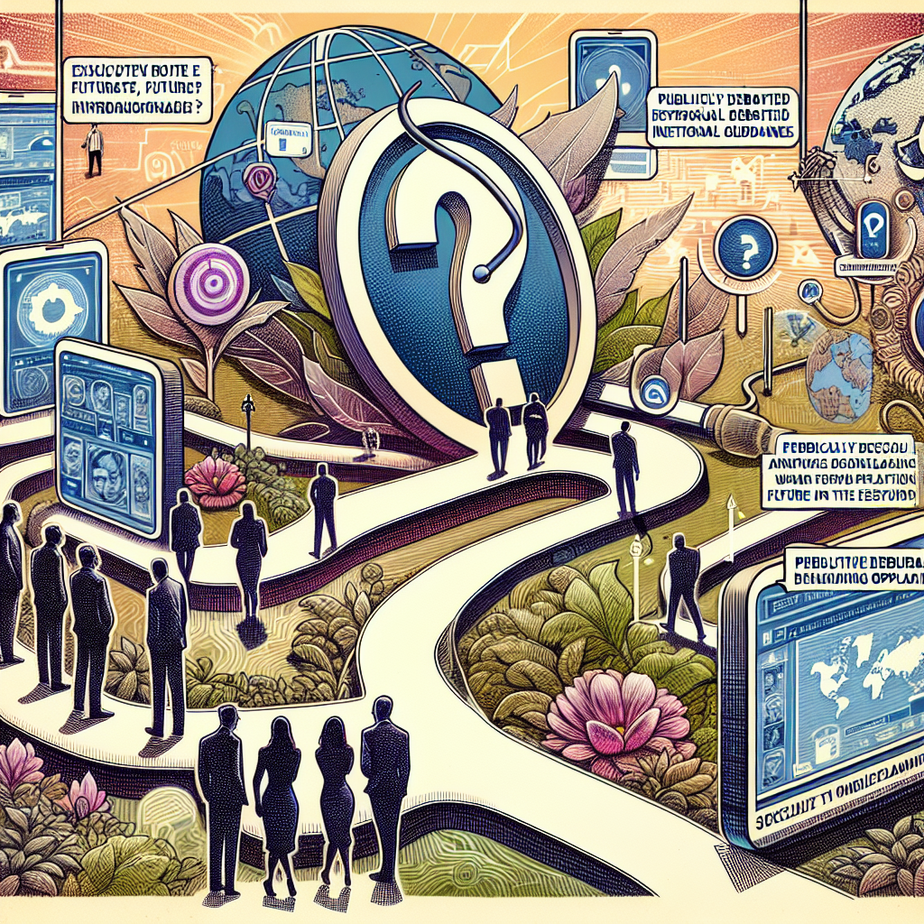
In conclusion, while the executive order is a definitive push towards managing international digital presence, it also stands as a testament to the complexities of our interconnected tech ecosystem. As TikTok readers and creators across the U.S. wait with bated breath, the broader implications of this executive decision will likely reverberate across the industry. In a digital age where influence and security go hand-in-hand, this unfolding scenario could influence not just TikTok’s fate, but the global blueprint for handling tech giants with transcontinental roots.