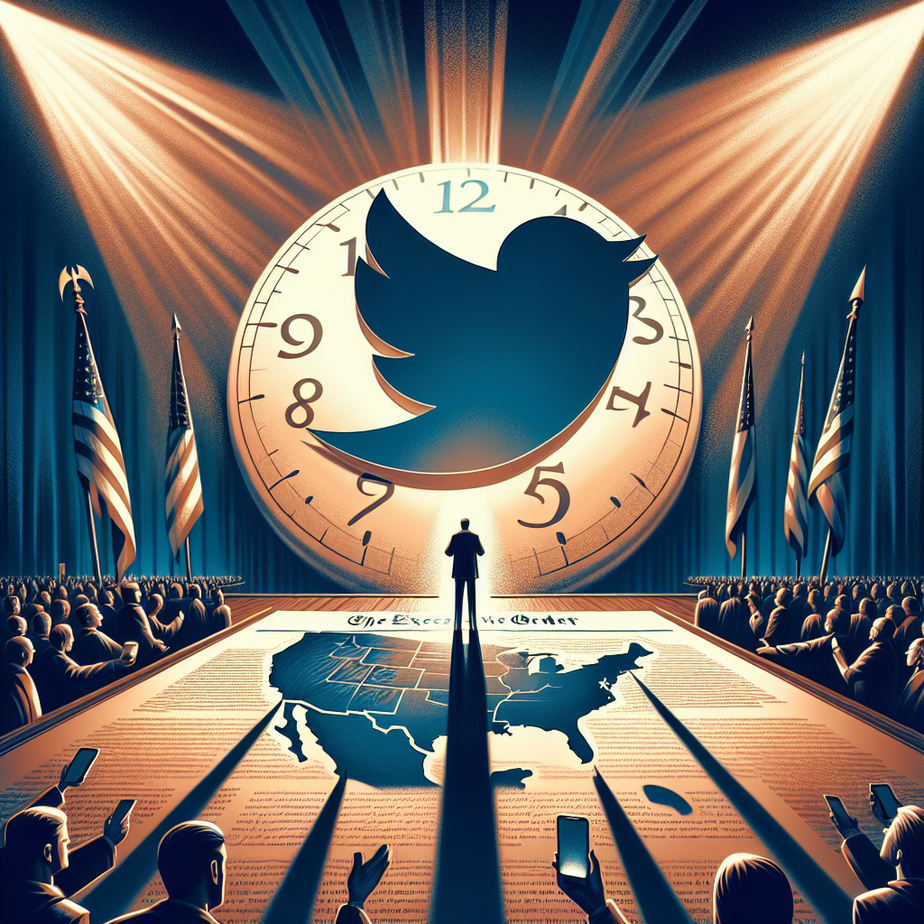
In an unexpected turn of events, President Donald Trump has taken definitive action to shape the future of one of the globe’s most popular social media platforms, TikTok. Facing increasing pressure due to national security concerns, Trump has signed an executive order that sets the stage for a significant restructuring of TikTok’s ownership. The intent behind this move is to place the app—and its highly coveted algorithm—under the control of American investors, potentially alleviating surveillance fears and geopolitical tensions that have clouded its reputation.
As TikTok navigates the complicated web of international politics, this executive order could be a game-changer. By aiming to transfer control to U.S. entities, the order addresses widespread apprehensions about data privacy and foreign interference. The Chinese-owned ByteDance, the current parent company of TikTok, has long been scrutinized by critics who worry about the app’s data handling practices. With American oversight on the horizon, it’s foreseeable that TikTok may earn reprieve from a looming ban while possibly improving its image among American users.
But what does this mean for the app’s millions of users? For one, a shift in control might lead to changes in how the app operates, particularly if new American owners seek to align TikTok with western privacy standards and regulations. It may also usher in a shift in content moderation practices, as U.S.-based overseers might feel compelled to enforce stricter guidelines reflecting American cultural norms and legislations. Despite these potential adjustments, the core user experience is likely to remain focused on fostering creativity and community among its vast user base.
As we analyze the broader implications of this move, it becomes clear that the executive order is more than just a political maneuver; it’s a defining moment in the conversation around digital sovereignty. By attempting to bring TikTok under American jurisdiction, this decision speaks to a growing zeitgeist where nations are increasingly exercising control over foreign technology companies operating within their borders. How this plays out could set a precedent for future engagements between state authorities and global tech giants.
In conclusion, this executive decision might mark the beginning of a new chapter for TikTok in the United States, possibly transforming it into an emblem of cross-border cooperation rather than conflict. It is a vivid reminder of the intricate balance between innovation and regulation in the digital age. As TikTok steps towards a new ownership model, stakeholders and users alike will watch closely to see how this bold move reshapes the digital landscape and whether it redefines the norms of digital entrepreneurship on a global scale.