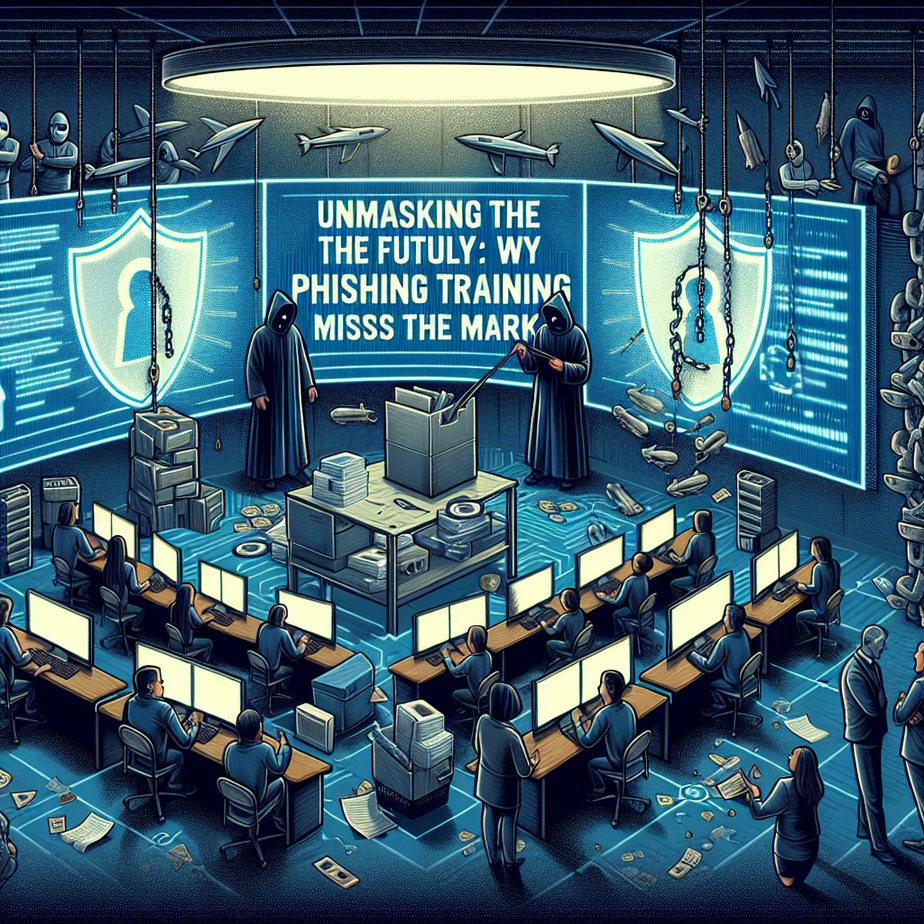
In an era where cyber threats loom large, corporations have heavily invested in phishing security training programs to safeguard their digital fortresses. However, a recent study reveals a disheartening trend: these programs often result in little to no improvement in employee resilience to phishing attacks, with success rates lagging, even in the single digits. This revelation is sparking a debate about the effectiveness of conventional cybersecurity training and urges organizations to rethink their strategies in cultivating a truly secure workforce.
Despite the best intentions, many phishing training sessions rely on traditional, often monotonous methods that fail to resonate with employees. The repetitive nature of these exercises tends to dull the senses, making them less effective over time. Workers frequently click through obligatory modules without retaining the critical information needed to recognize and avert phishing attempts. This passive learning approach can leave organizations as vulnerable as before, as employees remain ill-equipped to tackle real-world threats.
The gap between knowledge and practical application highlights a critical disconnect. Employees know the risks intellectually but are not adept at applying this knowledge in dynamic, pressure-filled scenarios. For training to be truly effective, it requires a hands-on approach that mirrors actual phishing attempts. Simulated exercises that mimic real-life situations, combined with interactive training sessions, can bridge this divide, enabling employees to handle threats spontaneously and confidently.
Furthermore, it’s imperative that companies foster a culture of cybersecurity awareness beyond rigid training frameworks. Regular, informal discussions, peer learning, and real-time feedback mechanisms can significantly enhance employees’ ability to identify and counter phishing. Encouraging employees to share their experiences and tips can create a collaborative environment where cybersecurity awareness becomes part of the corporate fabric rather than a box-ticking exercise.
In conclusion, while phishing security training programs are well-meaning, their limited success underscores the need for a paradigm shift. To build a truly cyber-secure business environment, organizations must adopt innovative and engaging methodologies that resonate with employees and blur the lines between training and reality. By fostering a culture of continuous learning and vigilance, companies can empower their workforce to become the first line of defense against phishing threats.