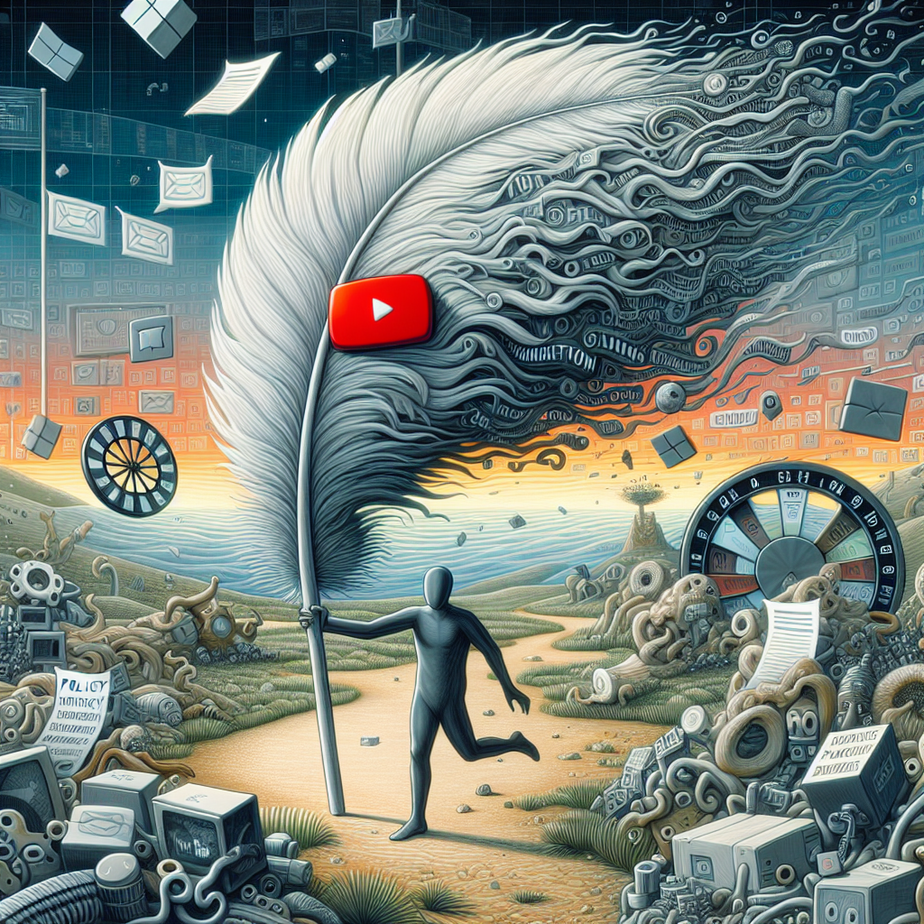
In the rapidly evolving landscape of online platforms, YouTube has once again made a bold move that could ruffle some feathers. Known for its ever-changing algorithms and policies aimed at content moderation, YouTube is now walking a tightrope to appease specific user groups. This latest attempt to adapt might just backfire, as it promises to complicate the already opaque relationship between creators and their audiences.
For years, YouTube has been the undisputed leader in video sharing, largely due to its ability to balance freedom of expression with community guidelines. However, the platform’s continuous shifts and adjustments often leave creators feeling like they’re chasing a moving target. The recent changes seem poised to cater more to advertisers and policy complainers than to the creative voices that made the platform what it is today. This strategy could very well alienate the very users who helped YouTube grow to its current stature.
In an effort to navigate the tricky waters of protecting user privacy and ensuring ad revenue, YouTube’s latest policy changes have focused on stricter content guidelines and ad rules. While these measures might appease advertisers and regulatory bodies, they often lead to creator frustration. The notion of safety and suitability becomes subjective and unpredictable, leaving many creators unsure of what content will be flagged or restricted next. This approach could erode trust, as users question whether YouTube values corporate partnerships over genuine creative expression.
One significant risk in YouTube’s current strategy is underestimating the backlash from disenchanted creators. These individuals fuel the platform with diverse and engaging content, drawing in billions of viewers worldwide. A potential exodus of talent could diminish YouTube’s cultural relevance and open doors for competitors. Platforms like TikTok and Twitch, which offer alternative algorithms and monetization models, could become even more appealing as discontent grows within the YouTube community.
YouTube’s latest decisions may seem like a step towards a more controlled environment that appeals to advertisers and policy enforcers. However, in prioritizing these interests, the platform risks alienating its core user base of creators and viewers. Moving forward, YouTube must find a balance that safeguards community guidelines while nurturing the creative freedom that has been central to its success. Failure to do so could cost them their dominance in the digital arena, proving that catering to external pressures isn’t always the best path forward.