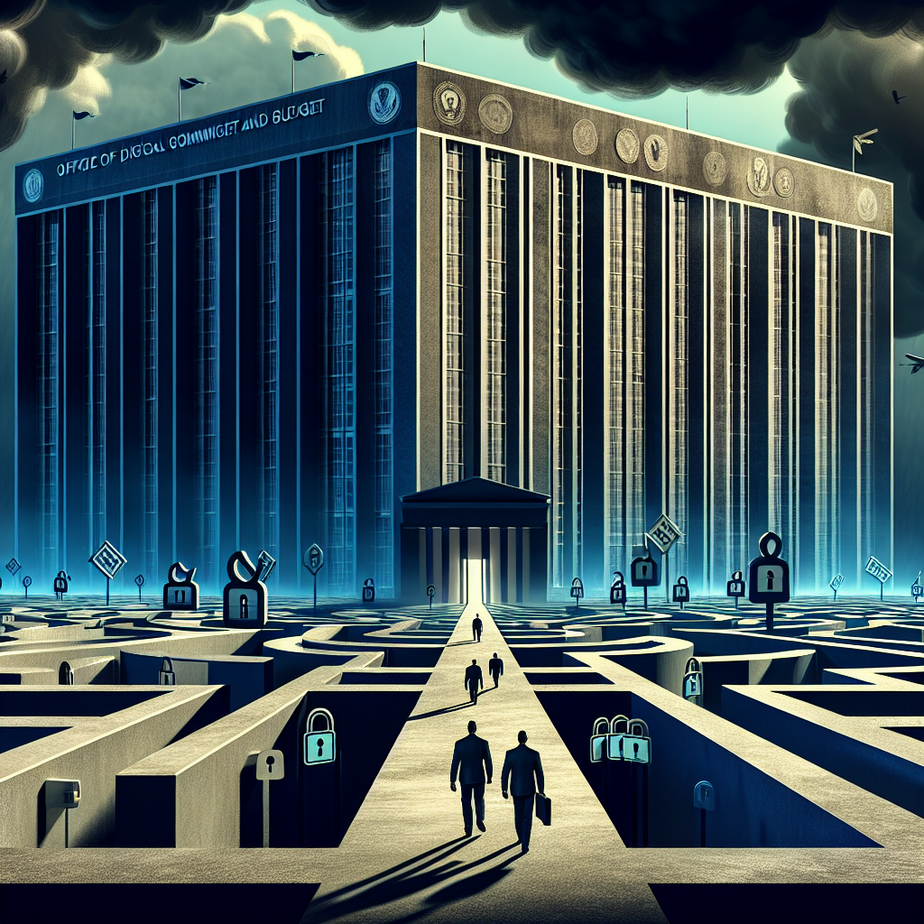
As the specter of a federal government shutdown looms, the Office of Management and Budget (OMB) is contemplating unprecedented measures that could spell significant changes for the federal workforce. The catalyst is an impasse over the fiscal 2026 budget, potentially leading to cutbacks that target crucial areas, notably cybersecurity sectors within the Commerce and Department of Homeland Security (DHS) agencies. These considerations emerge after recent debates have highlighted the political tensions around budget allocations and government spending priorities.
The possibility of a government shutdown introduces not just a financial peril but a pressing challenge to the effectiveness of national cybersecurity defenses. With agencies like the National Institute of Standards and Technology and Cybersecurity and Infrastructure Security Agency at potential risk, safeguarding the nation’s digital infrastructure becomes an immediate concern. The implications are far-reaching, threatening to undermine efforts to protect critical systems against escalating cyber threats.
Critics argue that the proposal to downsize the federal workforce in such a context seems almost strategically detrimental. The timing, particularly as cyber threats become increasingly sophisticated, raises questions about how prepared the nation will be in defending itself without full operational capacities. Moreover, this move could create vulnerabilities that cyber adversaries are all too eager to exploit, a view strongly supported by cybersecurity professionals.
This development also coincides with the potential lapse of the Cybersecurity Information Sharing Act of 2015, risking a halt to the vital information exchange between public agencies and private enterprises. Such a breakdown in communication would erode trust and leave key infrastructures and businesses without essential government support. The cybersecurity community is particularly alarmed by the potential for legislators to miss reauthorization deadlines, thereby exacerbating the looming vulnerability landscape.
In summary, the possibility of government cuts poses not just an operational dilemma but a profound threat to national security. While budgetary battles are a political reality, they should not come at the cost of crippling the nation’s ability to defend against cyber threats. Strategic foresight and bipartisan collaboration are needed to ensure that, regardless of political winds, the nation’s security infrastructure remains robust and ready to tackle emerging digital threats.