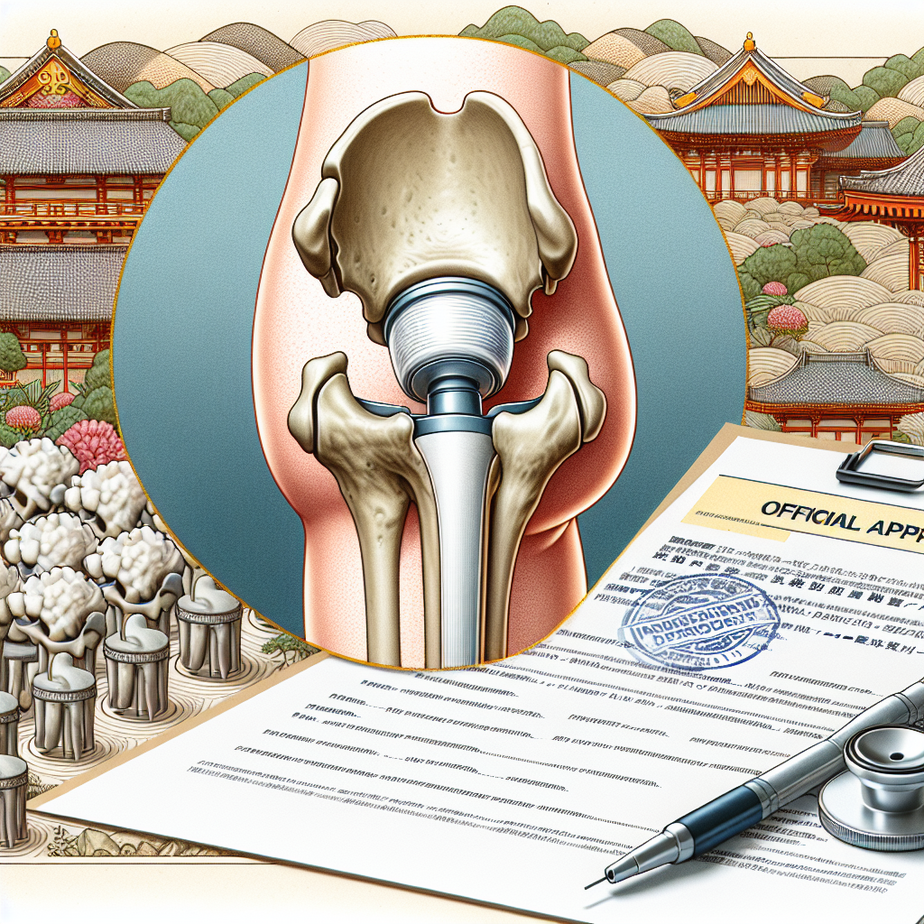
In a groundbreaking development for orthopedic health, Zimmer Biomet has secured approval from Japan’s Pharmaceuticals and Medical Devices Agency (PMDA) for its innovative iodine-treated total hip replacement system. This approval marks a significant milestone in the fight against periprosthetic joint infections, a persistent threat to patients undergoing hip replacement surgeries. The iTaperloc® Complete and the iG7TM Hip System, now equipped with iodine technology, aim to revolutionize the healing process by preventing bacterial adhesion and biofilm formation on the implant surfaces.
Orthopedic implants have long been susceptible to infections, complicating recovery and sometimes necessitating additional surgeries. With the introduction of iodine treatment, Zimmer Biomet has taken a proactive step to mitigate these risks. Iodine, known for its antimicrobial properties, serves a dual purpose in this new system: it not only deters bacteria from clinging to implants but also obstructs the formation of biofilms, which often act as breeding grounds for persistent infections. This advancement could significantly reduce postoperative complications and improve outcomes for thousands of patients each year.
Japan’s PMDA approval is not merely a regulatory formality; it underscores the country’s confidence in the system’s potential to enhance patient safety and postoperative recovery. This innovation aligns with the growing global demand for medical solutions that integrate advanced technologies to overcome longstanding challenges in healthcare. It’s a testament to Zimmer Biomet’s commitment to advancing orthopedic treatments by employing cutting-edge solutions grounded in robust scientific validation.
The broader implications of this development extend beyond Japan’s borders, setting a precedent for how future orthopedic implants could be designed and manufactured. As healthcare systems worldwide grapple with rising infection rates, particularly resistant strains of bacteria, the adoption of iodine-infused implants may very well become a standard practice. This progress not only highlights the importance of innovation in medical technology but also the need for continuous collaboration between governments, regulatory bodies, and companies like Zimmer Biomet to bring life-changing products to market.
In conclusion, the approved iodine-treated hip replacement systems signal a promising advance in orthopedic care. By addressing the critical issue of periprosthetic joint infections, these systems offer hope for improved patient outcomes and reduced hospital readmissions. As the medical community watches with keen interest, Zimmer Biomet’s pioneering approach might very well chart the course for future innovations in joint replacement therapies, ultimately enhancing the quality of life for patients worldwide.