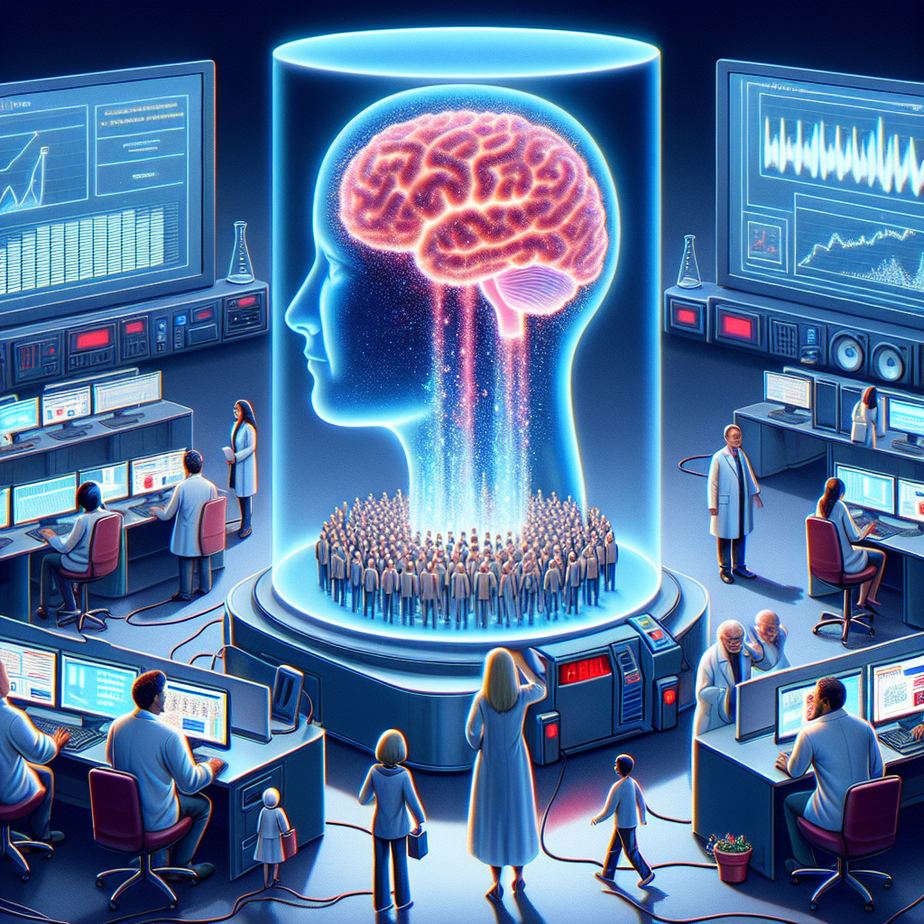
In an intriguing blend of technology and sociology, researchers from MIT and Stanford have embarked on a fascinating experiment that sheds light on how AI models emulate voter behavior. By simulating how AI might ‘vote’ in an upcoming election, the study revealed unexpected patterns that mirror the dynamics of human decision-making. This exploration into the cognitive alignments of AI systems unveils significant shifts in their ‘opinions’ based on external stimuli such as current events, specific queries, and sociodemographic information.
The research uncovers that AI models don’t just provide static answers but rather evolve their responses, much like a human voter would over a political campaign season. When subjected to changes in current events or exposed to diverse societal influences, the AI’s answers visibly shifted. This not only challenges the notion of AI as rigid and unchanging but also highlights its potential for simulated environments that reflect the complex and fluid nature of human political sentiment.
This ability of AI to seemingly alter its stance opens up powerful dialogues about its role in simulating public opinion and potentially forecasting electoral outcomes. Imagine using AI to identify how real-world events might swing voter sentiment or to gauge the effectiveness of political messaging. By exhibiting voter-like behavior, these AI models offer a unique lens through which to study the impacts of information dissemination and event-triggered shifts in political landscapes.
However, this adaptability poses ethical questions regarding AI’s role in information analysis and political influence. If AI systems can alter their ‘beliefs’ based on context, it raises concerns about their application in environments susceptible to manipulation. Are we moving toward a future where AI models not only predict outcomes but also inadvertently shape them? This duality of AI as both an observer and influencer necessitates rigorous checks to ensure authenticity in its applications.
The findings from MIT and Stanford serve as a powerful reminder of AI’s growing intricate relationship with society. While these AI models’ evolving responses are startling, they also underscore a pivotal opportunity: to leverage AI in understanding the ever-changing nature of public opinion. We’re just beginning to grasp how artificial intelligence can provide us with insights that not only reflect but could help steer future societal trends. As we venture further into this digital age, the fusion of AI with democratic processes may redefine how we engage with—and understand—political narratives.